
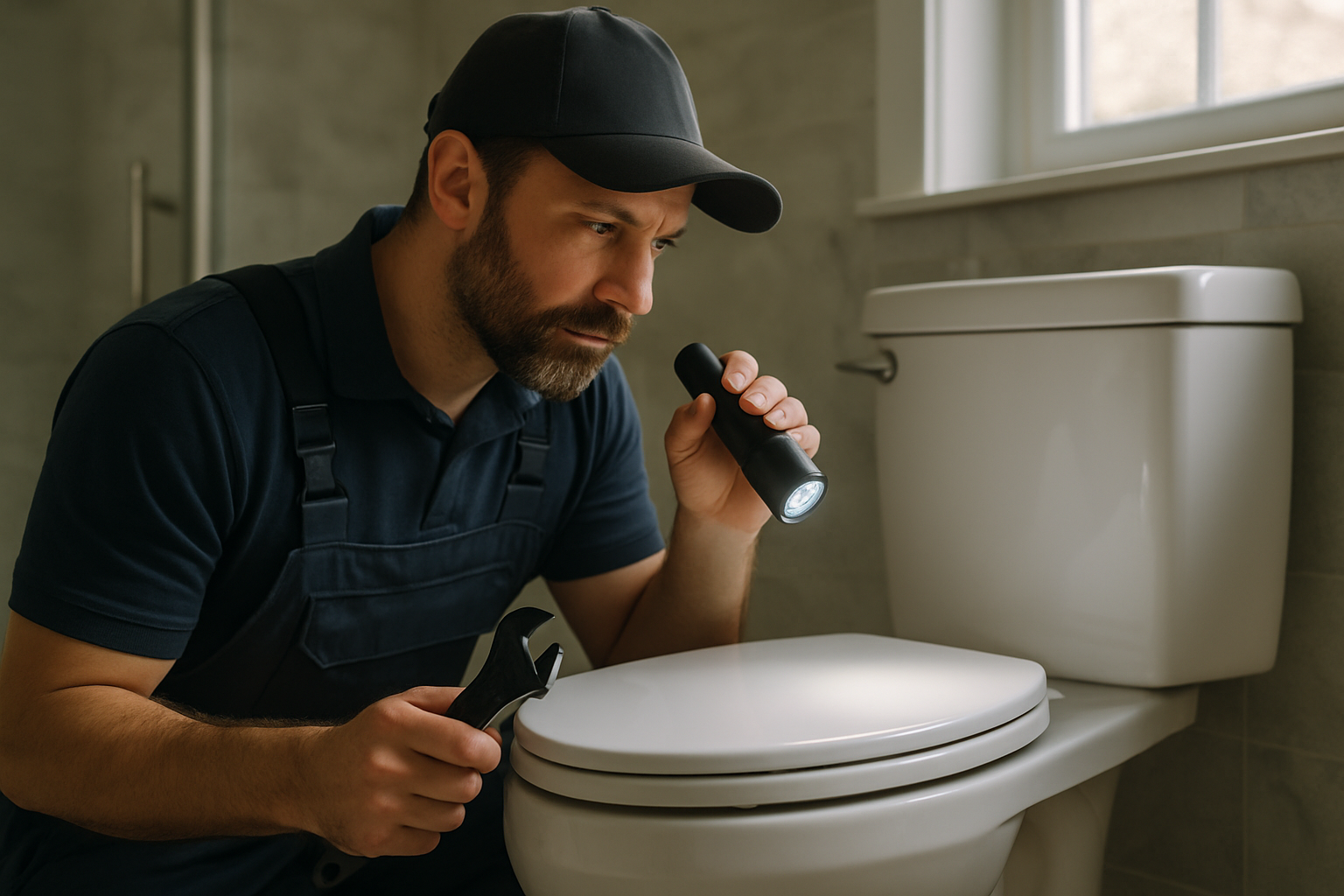
Waterproofing Troubleshooting Guide — ESG Builders LLC
Welcome to the comprehensive Waterproofing Troubleshooting Guide from ESG Builders LLC, your trusted bathroom remodeler in Brooklyn, New York. When it comes to maintaining a dry and comfortable bathroom, effective waterproofing is essential. Water damage can lead to structural issues, mold growth, and expensive repairs, making it imperative to address any waterproofing concerns promptly. Our team has garnered an impressive average rating of 4.9 out of 5 stars from 47 verified customer reviews, a testament to our commitment to quality service in waterproofing solutions. In this guide, we will explore common symptoms of waterproofing failures, potential causes, and actionable steps you can take to troubleshoot these issues. Whether you notice damp spots, mold growth, or musty odors in your bathroom, understanding these signs can help you act quickly. As a local Brooklyn contractor, we pride ourselves on providing tailored solutions that meet the unique challenges of homes in our area. Let’s delve into the specifics of waterproofing troubleshooting and ensure your bathroom remains a safe and inviting space.
Identify the Problem
Match your symptoms to the most likely cause. Severity ratings help you decide how urgently to act.
Step-by-Step Action Plan
Follow these steps before calling a technician — you may be able to resolve the issue yourself.
Identify the Source of Moisture
Start by inspecting your bathroom for any visible leaks or damp areas. Look closely at plumbing fixtures, walls, and ceilings to pinpoint where moisture might be entering.
Check the Sealant
Examine the caulk and grout around your bathtub, shower, and sink. If you notice cracks or missing sections, reapply waterproof sealant to prevent water from seeping behind walls.
Improve Ventilation
Ensure that your bathroom is adequately ventilated. Use exhaust fans and open windows to reduce humidity levels, which can lead to mold growth.
Inspect Your Flooring
Check for any signs of water pooling on the floor. Ensure that the flooring is properly sloped towards the drain to facilitate water flow.
Evaluate Drainage Systems
If you suspect groundwater issues, assess the drainage systems in and around your home. Ensure that gutters and downspouts are directing water away from the foundation.
Don't DIY These Situations
Some repairs require a licensed technician for safety, code compliance, and warranty protection.
Severe mold infestation that poses health risks.
Extensive water damage requiring structural repairs.
Persistent leaks that DIY fixes cannot resolve.
Need for a professional-grade waterproofing membrane installation.
Complex drainage issues that require excavation or regrading.
How often should I inspect my waterproofing?
What are the signs of a waterproofing failure?
Can I do waterproofing myself?
How long does waterproofing last?
We Can Fix It For You
Our licensed team serves Brooklyn, New York and surrounding areas — same-day service available.
Problem Solved — Or Need a Pro?
Our licensed team serves Brooklyn, New York and surrounding areas. Get a free diagnosis — no obligation.