
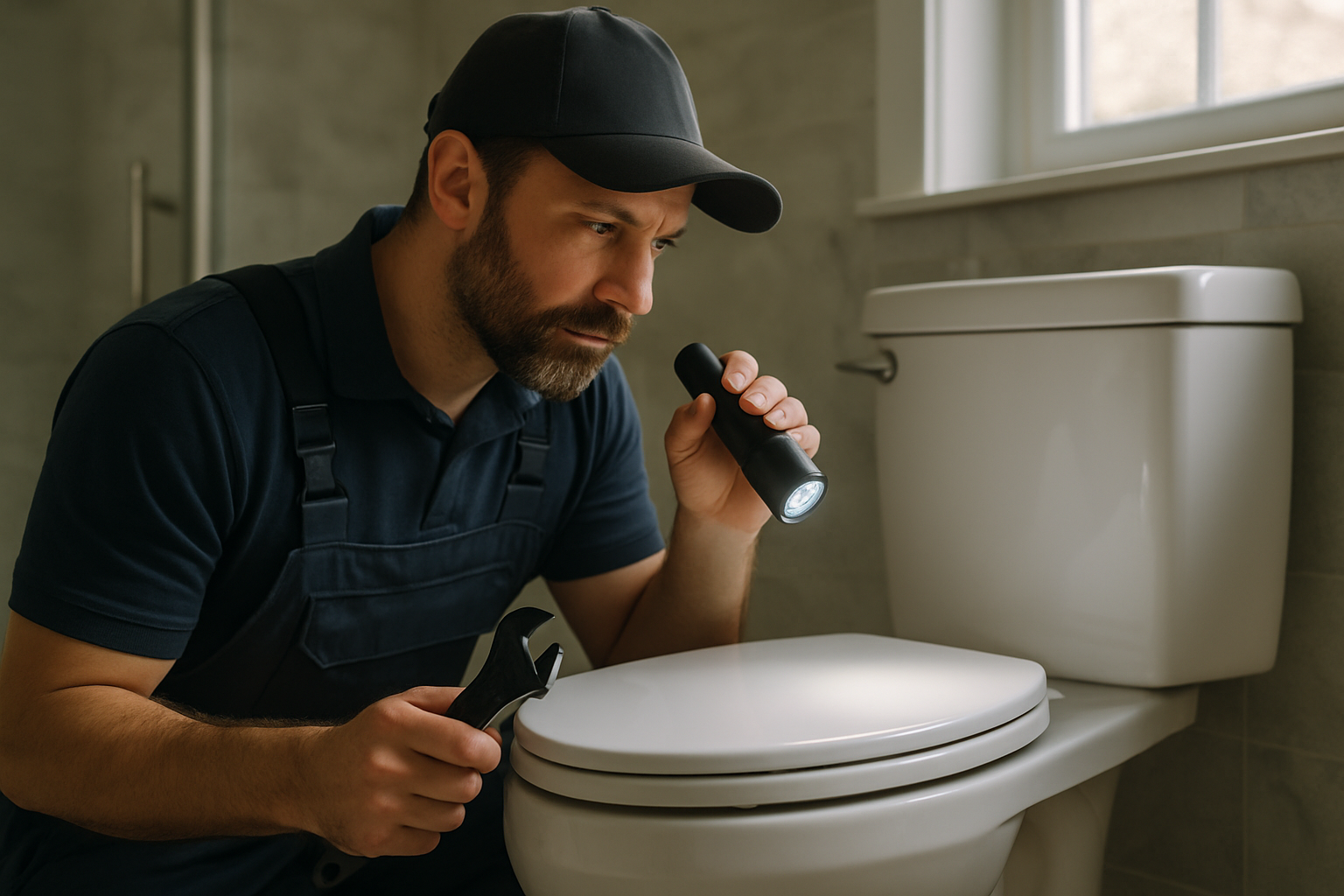
walk in shower installation near me — ESG Builders LLC
Troubleshooting Guide

Walk In Shower Installation Near Me Troubleshooting Guide — ESG Builders LLC

If you are in Brooklyn, New York, and have recently installed a walk-in shower or are considering this modern bathroom upgrade, it's essential to understand common issues that may arise during and after the installation process. At ESG Builders LLC, we specialize in walk-in shower installations and have encountered various challenges that homeowners face. This troubleshooting guide aims to provide you with insights into common problems, their causes, and potential solutions to ensure you enjoy a seamless shower experience. A walk-in shower not only enhances the aesthetic appeal of your bathroom but also offers improved accessibility and convenience for all users. However, as with any home improvement, complications can occur. From water drainage issues to showerhead leaks, knowing how to troubleshoot these problems can save you time and money. Our team has garnered a stellar reputation in Brooklyn, with 47 verified customer reviews and an average rating of 4.9 out of 5 stars, reflecting our commitment to quality and customer satisfaction. Let’s dive into the common symptoms you might encounter with your walk-in shower installation and how best to address them.

By ESG Builders LLC
8 min read
Expert-reviewed
Having an Emergency?
Don't wait — call us now for 24/7 emergency service in Brooklyn, New York.
(347) 342-1995
Symptoms & Causes

Identify the Problem

Match your symptoms to the most likely cause. Severity ratings help you decide how urgently to act.

Water pooling in the shower areahigh
Likely cause: Improper slope of the shower floor, Clogged drain, Incorrect installation of tiles
DIY check: Check the slope of the shower floor; it should direct water to the drain. If it's not correct, adjustments may be needed.
Showerhead leakingmedium
Likely cause: Loose connections, Worn-out washers, Incorrect installation
DIY check: Tighten connections and replace washers if they appear worn or damaged.
Mold or mildew buildupmedium
Likely cause: Poor ventilation, Water pooling, Infrequent cleaning
DIY check: Improve ventilation by installing an exhaust fan and regularly clean the surfaces to prevent buildup.
Cracked tilesmedium
Likely cause: Improper installation, Water damage, Temperature changes
DIY check: Inspect for any visible cracks and consider using caulk to seal them temporarily until a professional can repair.
Inconsistent water temperaturehigh
Likely cause: Faulty shower valve, Plumbing issues, Water heater problems
DIY check: Check the shower valve for proper operation and ensure your water heater is functioning correctly.
Unpleasant odors coming from the drainlow
Likely cause: Clogged drain, Petroleum-based products used in cleaning, Bacteria buildup
DIY check: Clean the drain with a mixture of baking soda and vinegar to eliminate odors and debris.
What to Do Next

Step-by-Step Action Plan

Follow these steps before calling a technician — you may be able to resolve the issue yourself.

1

Identify the Problem

Take note of the symptoms your walk-in shower is exhibiting. Understanding the specific issue will help guide your troubleshooting efforts.

2

Inspect the Installation

Examine the shower's installation, including the slope of the floor and the sealing around fixtures. Look for any visible signs of damage or improper setup.

3

Check for Clogs

Clear the drain of any debris that may be obstructing water flow. A clogged drain can lead to water pooling and unpleasant odors.

4

Test Water Flow and Temperature

Run the shower and assess the water flow and temperature. Any inconsistencies may indicate issues with the plumbing or installation.

5

Look for Mold and Mildew

Inspect the grout and corners of the shower for any signs of mold or mildew, which can be a result of poor ventilation or water pooling.

Pro Tip
Always turn off power to the unit at the breaker before inspecting any components. Safety first — even for simple checks.
When to Call a Professional

Don't DIY These Situations

Some repairs require a licensed technician for safety, code compliance, and warranty protection.

Professional Assessment Required

If the water pooling issue persists after DIY adjustments, it may require professional regrading of the shower floor.

Professional Assessment Required

A showerhead leak that continues despite tightening connections could indicate a deeper plumbing issue needing expert repair.

Professional Assessment Required

If you discover significant mold or mildew, a professional cleaning and sealing service may be necessary to prevent further damage.

Professional Assessment Required

Cracked tiles that affect the waterproof integrity of your shower should be replaced by a professional to ensure proper installation and sealing.

Common Questions
What should I do if my walk-in shower is leaking?
If you notice your walk-in shower is leaking, the first step is to identify the source of the leak. Common culprits include loose connections or worn-out washers. Tighten any loose fittings and replace washers as needed. If the leak continues, it may be a sign of a more significant plumbing issue requiring professional assistance. An expert can properly diagnose the problem and recommend the best course of action.
How can I prevent mold in my walk-in shower?
Preventing mold in your walk-in shower involves proper ventilation and regular cleaning. Ensure your bathroom has adequate ventilation, such as an exhaust fan, to reduce humidity levels. Additionally, clean your shower regularly, focusing on grout lines and corners where moisture can accumulate. If you notice mold starting to form, clean it immediately with a mixture of vinegar and baking soda to prevent it from spreading.
Why is my walk-in shower draining slowly?
A slow-draining walk-in shower is often due to a clogged drain. Hair, soap scum, and debris can build up over time, obstructing water flow. Try removing the drain cover and cleaning out any visible debris. If the problem persists, consider using a drain cleaner or a plumbing snake to clear the blockage. If these methods do not work, it may be time to call a professional plumber to assess the situation.
Can I install a walk-in shower on my own?
While DIY installation of a walk-in shower is possible, it’s essential to have the right skills and tools to ensure proper installation. Mistakes can lead to issues such as water damage, leaks, and mold growth. If you’re not confident in your abilities, it’s best to hire a professional bathroom remodeler like ESG Builders LLC in Brooklyn, NY, who can ensure a high-quality installation and compliance with local building codes.
Related Services

We Can Fix It For You

Our licensed team serves Brooklyn, New York and surrounding areas — same-day service available.

Problem Solved — Or Need a Pro?

Our licensed team serves Brooklyn, New York and surrounding areas. Get a free diagnosis — no obligation.