
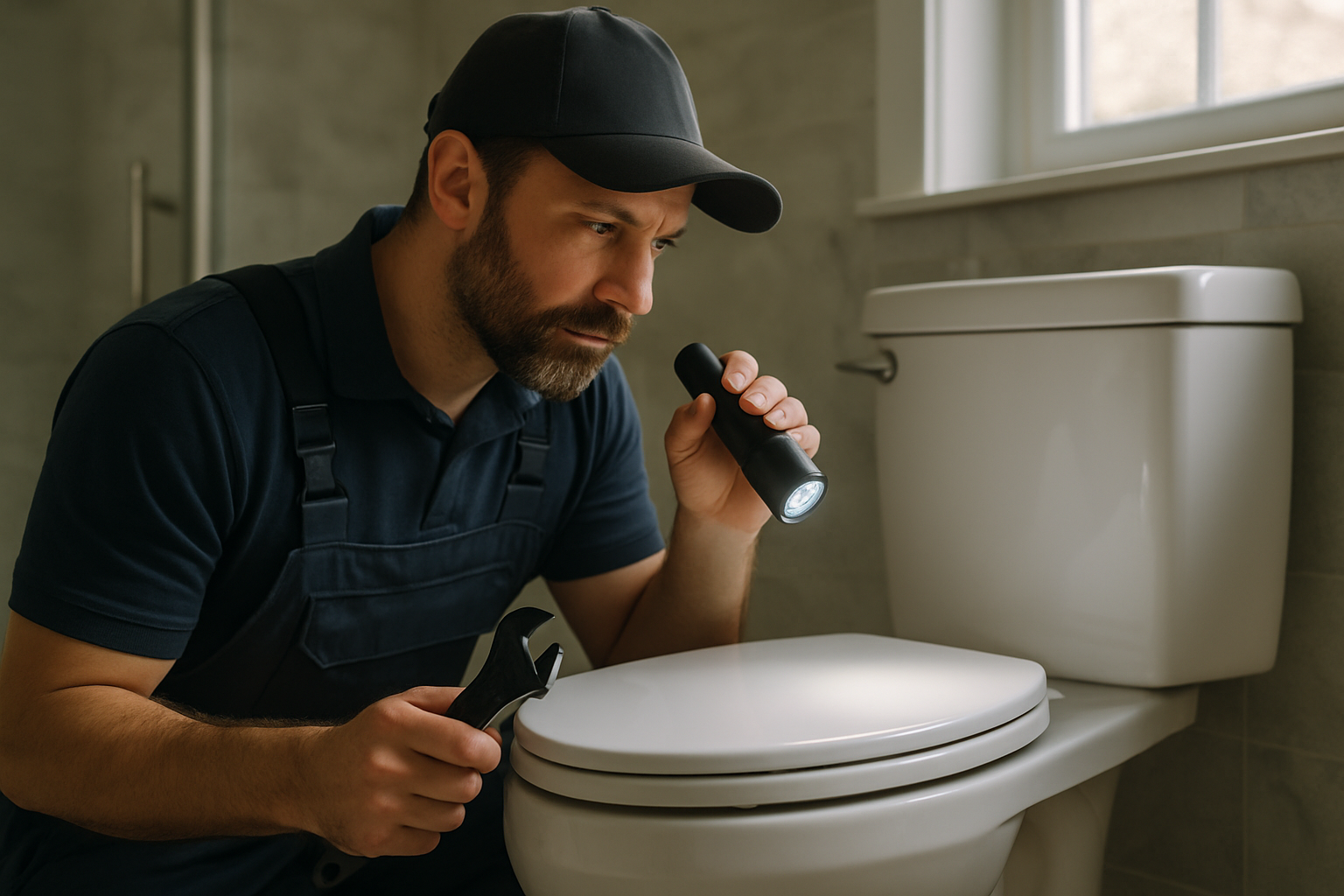
walk in shower installation companies — ESG Builders LLC
Troubleshooting Guide

Walk In Shower Installation Companies Troubleshooting Guide — ESG Builders LLC

At ESG Builders LLC, we understand that installing a walk-in shower can transform your Brooklyn bathroom into a luxurious retreat. However, even the best installations can face challenges over time. With our extensive expertise in walk-in shower installations, we are committed to helping you troubleshoot common issues that may arise. This guide is tailored specifically for homeowners in Brooklyn, New York who have invested in a walk-in shower, ensuring you have the knowledge to address minor concerns before they escalate. Our team has garnered an impressive reputation, with 47 verified customer reviews and an average rating of 4.9 out of 5 stars. This reflects our dedication to quality and customer satisfaction. As a trusted bathroom remodeler in Brooklyn, we aim to empower our clients with the information they need for effective maintenance and troubleshooting of their walk-in showers. In this guide, you will find valuable insights into common problems, ways to identify them, and steps to resolve them, ensuring your shower remains a source of comfort and enjoyment for years to come.

By ESG Builders LLC
8 min read
Expert-reviewed
Having an Emergency?
Don't wait — call us now for 24/7 emergency service in Brooklyn, New York.
(347) 342-1995
Symptoms & Causes

Identify the Problem

Match your symptoms to the most likely cause. Severity ratings help you decide how urgently to act.

Water pooling in the shower areahigh
Likely cause: Improper slope during installation, Clogged drain, Damaged waterproofing
DIY check: Check for visible blockages in the drain and ensure proper slope by inspecting the shower floor.
Leaking showerhead or faucetmedium
Likely cause: Worn-out washers, Loose connections, Cracked fittings
DIY check: Tighten connections and replace any visible worn washers.
Mold or mildew growth on tilesmedium
Likely cause: Poor ventilation, Inadequate sealing, Excess moisture
DIY check: Ensure proper ventilation and clean affected areas with a mold-removing solution.
Cracked tiles or groutmedium
Likely cause: Temperature fluctuations, Improper installation, Excess weight on tiles
DIY check: Inspect for loose tiles and carefully re-grout any affected areas.
No hot water from the showerhigh
Likely cause: Water heater issues, Faulty mixing valve, Plumbing blockages
DIY check: Check the water heater settings; if it's functioning, inspect the mixing valve for blockages.
Unpleasant odor from shower drainlow
Likely cause: Bacteria buildup, Clogged drain, Dry P-trap
DIY check: Pour baking soda and vinegar down the drain, then flush with hot water.
What to Do Next

Step-by-Step Action Plan

Follow these steps before calling a technician — you may be able to resolve the issue yourself.

1

Identify the Problem

Take note of any irregularities, such as leaks or unusual odors, to determine the specific issue.

2

Inspect for Visible Damage

Look for any visible signs of damage, such as cracked tiles or loose fittings, that may contribute to the problem.

3

Check Drainage

Test the drainage by running water to see if pooling occurs; this will help identify slope or blockage issues.

4

Evaluate Showerhead and Faucet

Turn on the shower and inspect for leaks or inconsistent water flow, and check connections for tightness.

5

Clean and Maintain

Regularly clean and maintain your shower to prevent mold and buildup, checking seals and grout for wear.

Pro Tip
Always turn off power to the unit at the breaker before inspecting any components. Safety first — even for simple checks.
When to Call a Professional

Don't DIY These Situations

Some repairs require a licensed technician for safety, code compliance, and warranty protection.

Professional Assessment Required

If you encounter persistent leaks that cannot be fixed through DIY methods.

Professional Assessment Required

When the shower's structural integrity appears compromised, indicating potential water damage.

Professional Assessment Required

If the drainage issue persists despite cleaning efforts and proper slope adjustments.

Professional Assessment Required

When electrical components related to shower fixtures show signs of malfunction.

Professional Assessment Required

If you notice significant mold or mildew that has spread beyond surface areas.

Common Questions
What should I do if my walk-in shower is leaking?
If your walk-in shower is leaking, the first step is to identify where the leak is coming from. Check all connections, including the showerhead and faucet, for any signs of water. If the leak appears to be coming from the base or the drain, it may indicate a more serious issue requiring professional help. Tightening connections or replacing washers can sometimes resolve minor leaks, but persistent issues should be addressed by a qualified contractor to prevent water damage.
How can I prevent mold in my walk-in shower?
To prevent mold in your walk-in shower, ensure proper ventilation by using an exhaust fan during and after showers. Regularly clean the shower surfaces with a mold-resistant cleaner, and inspect caulking and seals for deterioration. Keeping your shower dry between uses can also help reduce moisture buildup, which is conducive to mold growth. If mold does appear, it’s essential to address it promptly to avoid further spread.
Why is my shower water not getting hot enough?
If your shower water is not getting hot enough, it could be due to several factors. The most common issue is a malfunctioning water heater, which may need to be adjusted or repaired. Additionally, a faulty mixing valve can restrict hot water flow, necessitating replacement. If your water heater is functioning correctly, check for plumbing blockages that could impede hot water delivery. In some cases, calling a professional to diagnose the issue may be necessary.
What causes my shower tiles to crack?
Cracked shower tiles can result from several factors, including temperature fluctuations, improper installation, or excessive weight on the tiles. If you notice cracking, check to see if the tiles are loose or if the grout is compromised. While minor cracks may be repairable with re-grouting, significant damage may require professional assessment to prevent further issues. Regular maintenance can help identify these problems early.
Related Services

We Can Fix It For You

Our licensed team serves Brooklyn, New York and surrounding areas — same-day service available.

Problem Solved — Or Need a Pro?

Our licensed team serves Brooklyn, New York and surrounding areas. Get a free diagnosis — no obligation.