
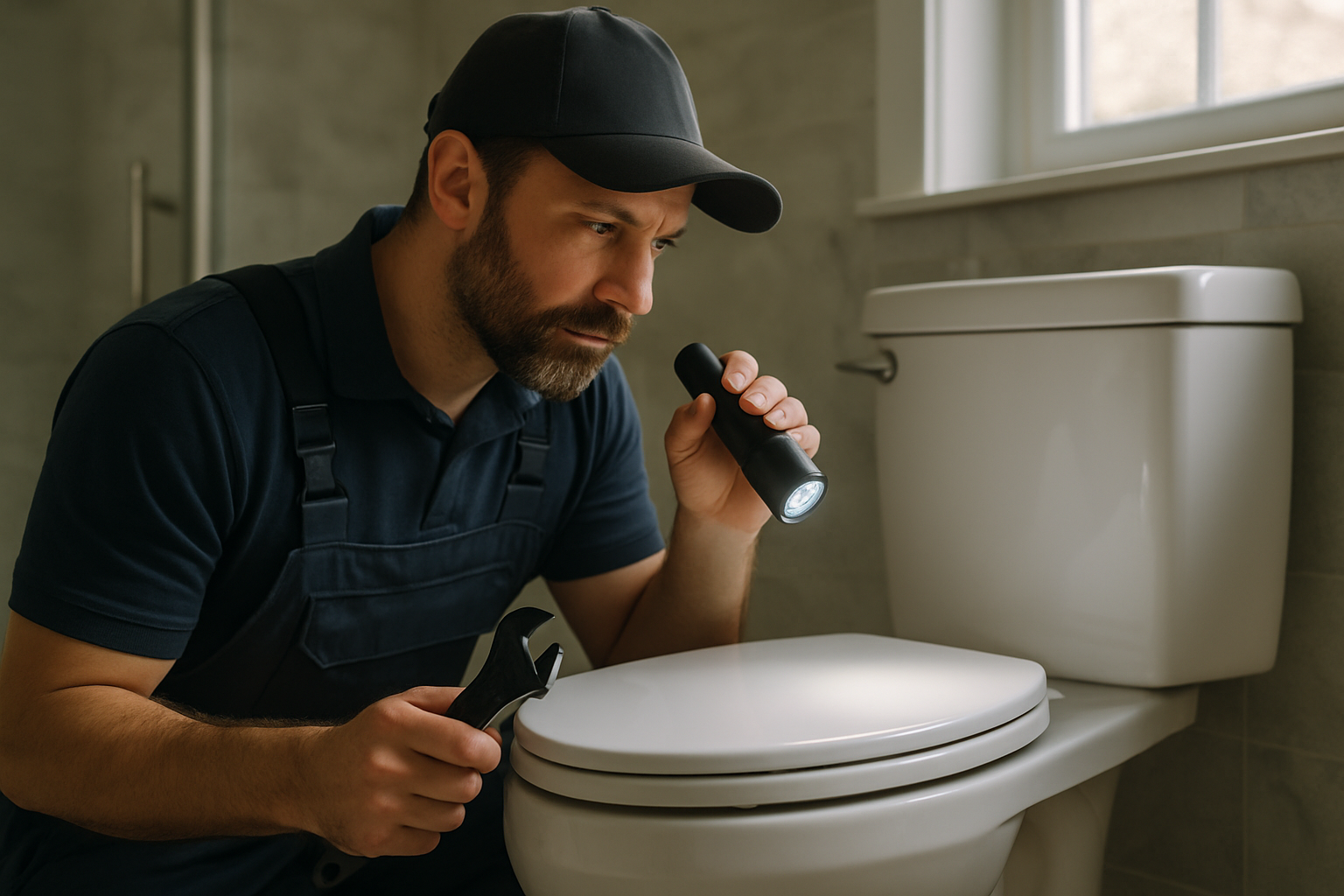
Walk-In Shower Installation — ESG Builders LLC
Troubleshooting Guide

Walk-In Shower Installation Troubleshooting Guide — ESG Builders LLC

Installing a walk-in shower can transform your bathroom into a luxurious oasis, especially in a vibrant city like Brooklyn, New York. However, like any home improvement project, it may come with its own set of challenges. At ESG Builders LLC, we understand how crucial it is to have a fully functional and aesthetically pleasing walk-in shower. This troubleshooting guide will help you identify common problems that may arise after installation and provide actionable solutions. With an average rating of 4.9 out of 5 stars from 47 verified customer reviews, we pride ourselves on our expertise and commitment to customer satisfaction in Brooklyn. Whether you're facing water drainage issues or unexpected leaks, knowing how to troubleshoot these problems can save you time and money. Our team at ESG Builders LLC has compiled this guide to help you navigate common challenges associated with walk-in shower installations. We aim to empower homeowners in Brooklyn with the knowledge needed to maintain their beautiful new showers effectively. Read on to discover the symptoms you might encounter, how to diagnose them, and when it's time to call in the professionals.

By ESG Builders LLC
8 min read
Expert-reviewed
Having an Emergency?
Don't wait — call us now for 24/7 emergency service in Brooklyn, New York.
(347) 342-1995
Symptoms & Causes

Identify the Problem

Match your symptoms to the most likely cause. Severity ratings help you decide how urgently to act.

Water pooling at the base of the shower.high
Likely cause: Improper slope of the shower floor, Clogged drainage system, Faulty installation
DIY check: Check the drain for any obstructions and ensure the floor slopes towards the drain.
Leaking showerhead.medium
Likely cause: Worn-out washer, Loose connections, Corroded fittings
DIY check: Tighten any loose fittings and replace the washer if necessary.
Mold or mildew buildup.medium
Likely cause: Poor ventilation, Inadequate waterproofing, Excess moisture
DIY check: Improve ventilation by opening windows or using a fan; clean the area with a mold remover.
Cracked tiles or grout.medium
Likely cause: Temperature fluctuations, Improper installation, Water damage
DIY check: Inspect the grout and tiles; re-grout or replace damaged tiles as needed.
Water pressure issues.medium
Likely cause: Blocked pipes, Incorrect showerhead type, Valve issues
DIY check: Check for blockages in the pipes and consider replacing the showerhead with one that matches your water pressure.
Odors coming from the drain.low
Likely cause: Stagnant water, Clogged sewer vent, Bacteria buildup
DIY check: Pour a mixture of baking soda and vinegar down the drain to help eliminate odors.
What to Do Next

Step-by-Step Action Plan

Follow these steps before calling a technician — you may be able to resolve the issue yourself.

1

Identify the Issue

Start by observing the symptoms your walk-in shower is exhibiting. Take notes on when the problem occurs and any relevant details.

2

Check for Blockages

Inspect the drain for hair, soap residue, or other debris. Clear any visible blockages that could impede drainage.

3

Assess the Installation

Evaluate whether the shower floor has been properly sloped towards the drain and check for any visible signs of poor installation.

4

Test the Water Flow

Turn on the shower to observe the water pressure and flow. Make sure the water is evenly distributed and that there are no leaks.

5

Inspect Seals and Grout

Look for cracks in the grout or gaps in the seals around the shower. Make sure everything is watertight to prevent leaks.

6

Consult Documentation

Review any manuals or installation documents that came with your shower. They may provide specific troubleshooting tips.

Pro Tip
Always turn off power to the unit at the breaker before inspecting any components. Safety first — even for simple checks.
When to Call a Professional

Don't DIY These Situations

Some repairs require a licensed technician for safety, code compliance, and warranty protection.

Professional Assessment Required

The installation requires structural adjustments that are beyond DIY capabilities.

Professional Assessment Required

Persistent leaks that cannot be traced or fixed through simple means.

Professional Assessment Required

The need for specialized tools or expertise to handle plumbing issues.

Professional Assessment Required

Repairing significant water damage that has occurred due to installation errors.

Professional Assessment Required

Complex mold or mildew problems that require professional remediation.

Common Questions
What should I do if my walk-in shower is leaking?
If your walk-in shower is leaking, first identify the source of the leak. Check the showerhead, faucet, and any visible plumbing connections for signs of moisture. If the leak is minor, you may be able to tighten connections or replace washers. However, if the leak persists, it could indicate a more serious issue such as a damaged pipe, which requires professional attention. At ESG Builders LLC, we recommend addressing leaks promptly to avoid water damage.
How can I prevent mold buildup in my walk-in shower?
To prevent mold buildup in your walk-in shower, ensure proper ventilation during and after showers. Use exhaust fans and open windows to reduce humidity levels. Regularly clean your shower to remove soap scum and mildew. Consider applying a mold-resistant sealant to the grout and tiles. If mold does appear, clean it promptly with appropriate cleaners to prevent it from spreading.
What causes water pooling at the base of my walk-in shower?
Water pooling typically occurs due to improper slope in the shower floor or a clogged drain. The floor must be angled correctly toward the drain to facilitate proper drainage. If you notice pooling, check for blockages in the drain and clear any debris. If the slope seems incorrect, it may require professional adjustment to fix the issue.
Is it normal for a walk-in shower to have lower water pressure?
Lower water pressure in a walk-in shower can be normal depending on your plumbing system and the type of showerhead used. However, if you notice a sudden drop in pressure, it may indicate a blockage or issue within the plumbing. Check for any visible obstructions in the showerhead and clean them if necessary. If problems persist, consider consulting a professional to evaluate your plumbing.
Related Services

We Can Fix It For You

Our licensed team serves Brooklyn, New York and surrounding areas — same-day service available.

Problem Solved — Or Need a Pro?

Our licensed team serves Brooklyn, New York and surrounding areas. Get a free diagnosis — no obligation.