
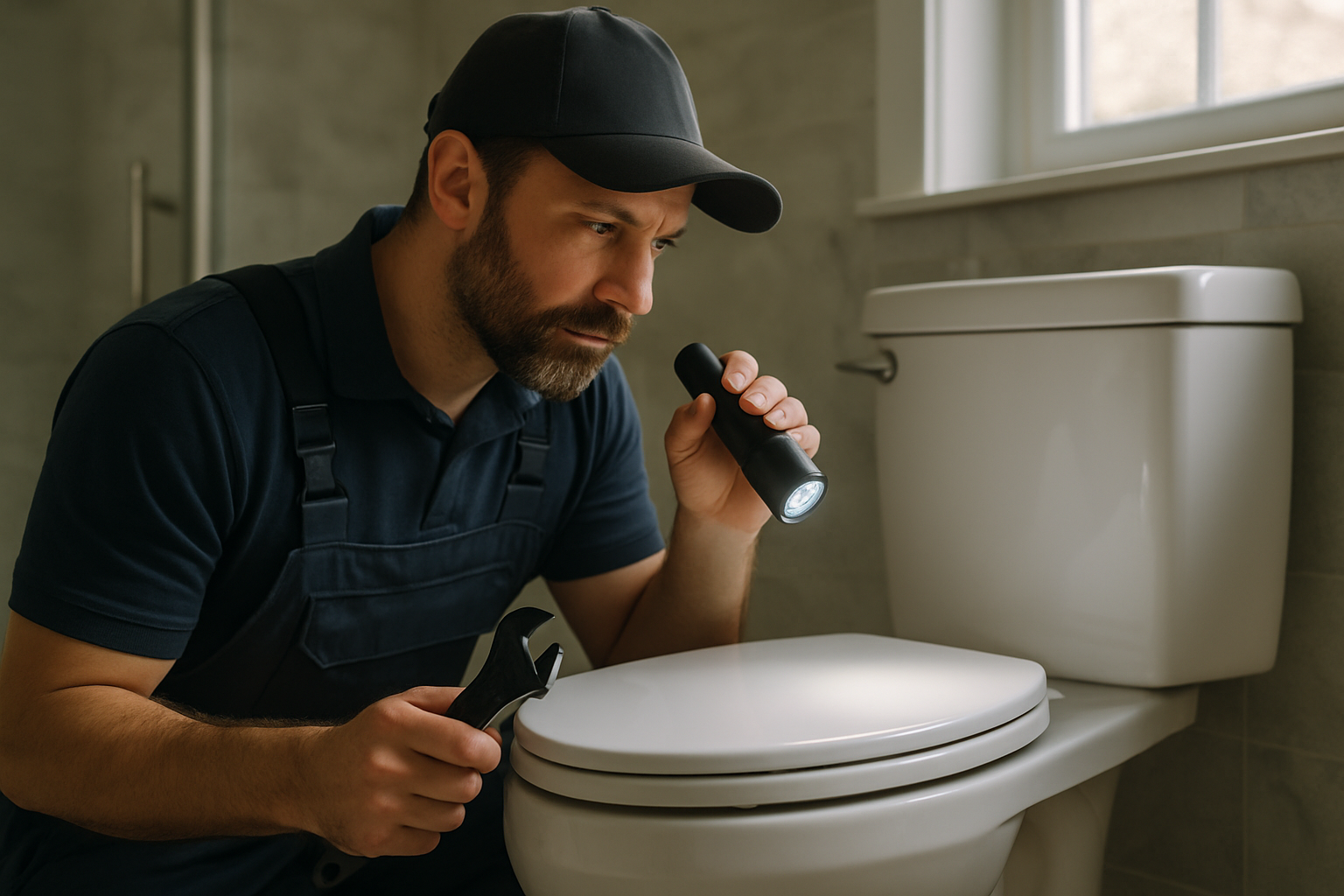
Freestanding Tub Installation — ESG Builders LLC
Troubleshooting Guide

Freestanding Tub Installation Troubleshooting Guide — ESG Builders LLC

Installing a freestanding tub can transform your bathroom into a luxurious retreat, but sometimes things don’t go as planned. At ESG Builders LLC, we understand the unique challenges that Brooklyn homeowners face during freestanding tub installation. Whether it’s a plumbing issue, incorrect leveling, or aesthetic concerns, we are here to guide you through troubleshooting common problems. Our experienced team has successfully completed numerous freestanding tub installations across Brooklyn, New York, earning an impressive average rating of 4.9 out of 5 stars from 47 verified customer reviews. This troubleshooting guide is designed specifically for freestanding tub installations, providing you with insights and actionable steps to address common issues. We want you to feel confident in your home improvement endeavors, whether you’re a DIY enthusiast or seeking professional help. With our expertise, you can ensure that your freestanding tub not only looks stunning but also functions flawlessly for years to come. Let’s dive into the common symptoms you might encounter during your project and find solutions together.

By ESG Builders LLC
8 min read
Expert-reviewed
Having an Emergency?
Don't wait — call us now for 24/7 emergency service in Brooklyn, New York.
(347) 342-1995
Symptoms & Causes

Identify the Problem

Match your symptoms to the most likely cause. Severity ratings help you decide how urgently to act.

Water leakage around the base of the tubhigh
Likely cause: Improper sealing, Damaged plumbing connections, Cracked tub material
DIY check: Check the sealing around the tub and reapply caulk if necessary.
Tub is not leveling correctlymedium
Likely cause: Uneven subfloor, Incorrect installation technique, Weight distribution issues
DIY check: Use a level to check alignment and adjust the feet or base as needed.
Slow drainagemedium
Likely cause: Clogged drain, Incorrect plumbing slope, Air lock in pipes
DIY check: Remove the drain cover and clear any visible obstructions or debris.
Noise during filling or draininglow
Likely cause: Air in plumbing system, Loose plumbing connections, Incorrectly installed overflow drain
DIY check: Check for loose connections and tighten them, ensuring all fittings are secure.
Cracks or chips in the tub surfacehigh
Likely cause: Improper handling during installation, Heavy impact, Manufacturing defects
DIY check: Inspect the tub for any visible cracks and consider using a repair kit for minor chips.
Issues with faucet installationmedium
Likely cause: Incorrect height placement, Non-compatible fittings, Leaking from faucet connections
DIY check: Ensure all fittings are compatible and tighten connections to prevent leaks.
Unpleasant odors from the tubmedium
Likely cause: Trapped debris in the drain, Septic system issues, Improper venting
DIY check: Clean the drain thoroughly and check for any blockages in the plumbing system.
Insufficient hot water supplyhigh
Likely cause: Water heater capacity, Incorrect plumbing setup, Crossed hot/cold lines
DIY check: Verify the water heater settings and check for any crossed pipes.
What to Do Next

Step-by-Step Action Plan

Follow these steps before calling a technician — you may be able to resolve the issue yourself.

1

Identify the Issue

Take note of what specifically is not functioning as expected. Observing the symptoms closely will help determine the next steps.

2

Check Connections

Inspect all plumbing connections and fittings for signs of leaks or looseness. Tighten any loose connections to prevent further issues.

3

Inspect the Tub Level

Use a level tool to confirm that the tub is perfectly level. Adjust the feet of the tub as necessary to correct any discrepancies.

4

Clear the Drain

If you experience slow drainage, remove the drain cover and clean out any visible debris that may be obstructing proper flow.

5

Test Water Supply

Check your hot water supply by running the faucet and ensuring that the water heats up adequately without issues.

6

Seek Professional Help if Needed

If the issue persists after attempting the above fixes, it may be time to contact a professional for a thorough inspection.

Pro Tip
Always turn off power to the unit at the breaker before inspecting any components. Safety first — even for simple checks.
When to Call a Professional

Don't DIY These Situations

Some repairs require a licensed technician for safety, code compliance, and warranty protection.

Professional Assessment Required

If there is a significant leak that cannot be sealed, as this can lead to water damage.

Professional Assessment Required

When the tub fails to drain properly despite cleaning and adjustments, indicating a deeper plumbing issue.

Professional Assessment Required

If cracks or chips are extensive, requiring professional repair for a seamless finish.

Professional Assessment Required

In cases where installation errors have occurred that cannot be rectified with DIY solutions.

Professional Assessment Required

If you notice persistent odors that suggest a septic or venting issue beyond simple cleaning.

Common Questions
What should I do if my freestanding tub is leaking?
If your freestanding tub is leaking, the first step is to identify the source of the leak. Check all plumbing connections, the drain, and the tub’s sealant. If you find a loose connection, tighten it. For leaks that seem to originate from the tub itself, such as cracks or chips, you may need to use a repair kit or contact a professional for extensive repairs. Prompt action is essential to prevent further water damage.
How can I tell if my tub is level?
To check if your freestanding tub is level, use a level tool placed across the top of the tub. If the bubble is not centered, the tub is not level. You may need to adjust the feet of the tub or the base it sits on to achieve a level position. An uneven tub can affect water drainage and overall usability, so it’s important to ensure it is level.
What causes slow drainage in a freestanding tub?
Slow drainage in a freestanding tub can be caused by several factors, including clogs in the drain, the incorrect slope of the plumbing pipes, or even air locks. To address slow drainage, start by removing the drain cover and checking for any debris or blockages. If cleaning doesn’t resolve the issue, you may need to inspect the plumbing setup or call a professional.
Is it normal for freestanding tubs to make noise?
Some noise during filling or draining is normal due to air in the plumbing system or water movement. However, if the noise is excessive or seems unusual, it may indicate loose connections or installation errors. In such cases, it’s best to check all connections and consult a professional if the issue persists.
Related Services

We Can Fix It For You

Our licensed team serves Brooklyn, New York and surrounding areas — same-day service available.

Problem Solved — Or Need a Pro?

Our licensed team serves Brooklyn, New York and surrounding areas. Get a free diagnosis — no obligation.