
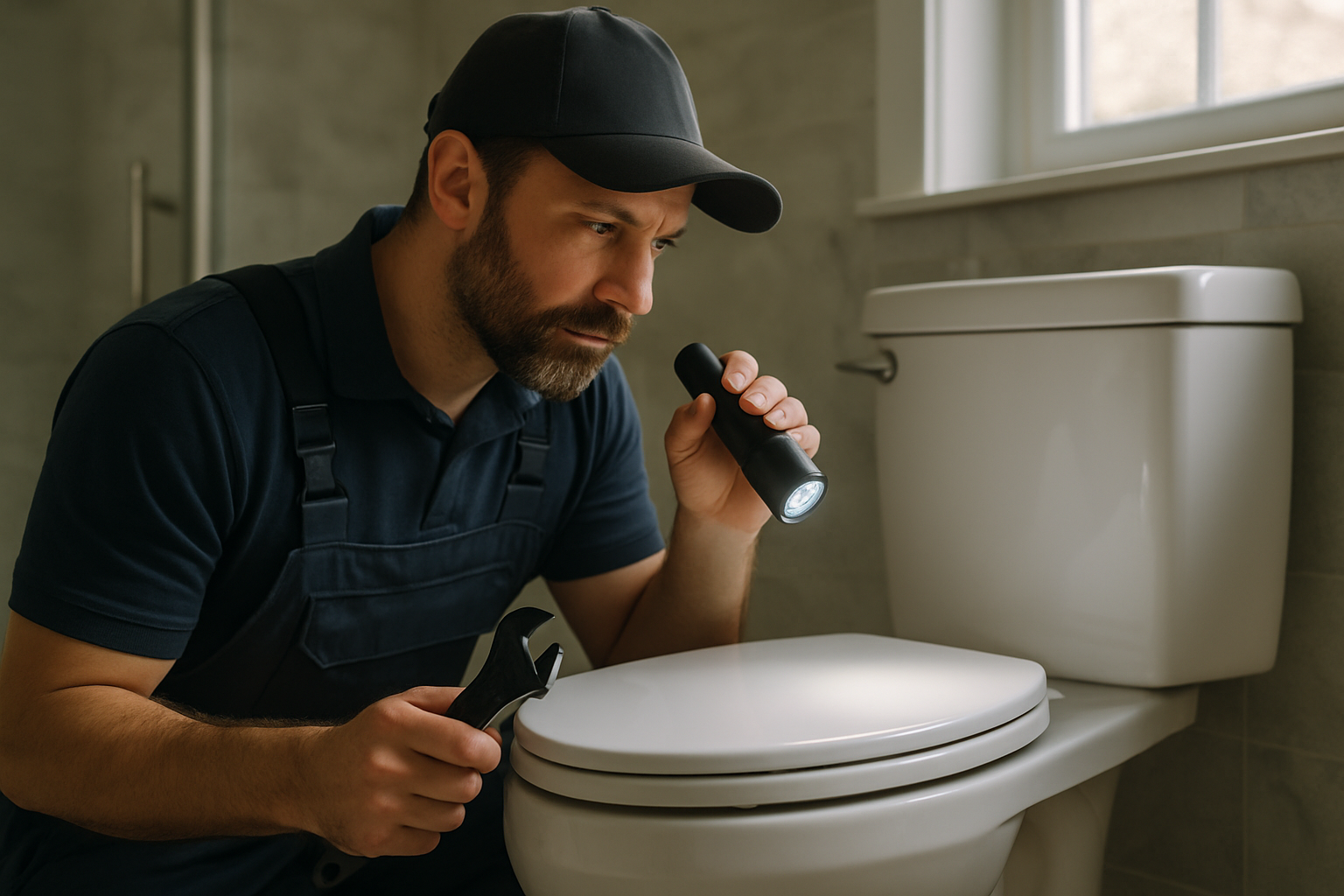
Exhaust Fan Installation Troubleshooting Guide — ESG Builders LLC
At ESG Builders LLC, we understand that a properly functioning exhaust fan is essential for maintaining air quality and comfort in your Brooklyn, New York home. Exhaust fans play a critical role in removing excess humidity, odors, and airborne pollutants, ensuring that your bathroom remains a safe and pleasant space. However, like any other appliance, exhaust fans can encounter issues that may disrupt their performance. This troubleshooting guide aims to help homeowners identify and resolve common problems related to exhaust fan installation, so you can enjoy optimal functionality without unnecessary stress. Our team at ESG Builders LLC has garnered an impressive reputation in Brooklyn, earning an average rating of 4.9 out of 5 stars from 47 verified customer reviews. We pride ourselves on our commitment to quality and customer satisfaction, which is why we want to empower you with the knowledge to address minor exhaust fan issues on your own. From unusual noises to inadequate airflow, we’ll provide insights into potential causes and solutions for your exhaust fan problems. If you encounter a situation that requires professional assistance, we’ll also guide you on when to call in our expert team for help.
Identify the Problem
Match your symptoms to the most likely cause. Severity ratings help you decide how urgently to act.
Step-by-Step Action Plan
Follow these steps before calling a technician — you may be able to resolve the issue yourself.
Check Power Supply
Start by ensuring that the exhaust fan is receiving power. Check the circuit breaker and make sure it hasn't tripped; reset it if necessary.
Inspect the Switch
Examine the fan's switch to see if it is functioning correctly. If the switch feels loose or unresponsive, it may need replacement.
Assess Ductwork
Look for any blockages in the ductwork that could impede airflow. Clear away any debris or obstructions you find.
Evaluate Installation Position
Check if the fan is installed in the right location for optimal performance. If not, consider relocating it.
Monitor for Excessive Noise
Listen for any unusual sounds during operation. If you hear grinding or rattling, inspect the fan for debris or loose components.
Consult Professional
If all else fails, or if you find a significant issue, it may be time to contact ESG Builders LLC for expert assistance.
Don't DIY These Situations
Some repairs require a licensed technician for safety, code compliance, and warranty protection.
If the exhaust fan is not receiving power due to faulty wiring.
When there are complicated ductwork issues that require professional expertise.
If the fan motor is damaged and needs replacement.
For installation of a new fan to ensure it meets local building codes and regulations.
In case of persistent moisture problems that the fan does not resolve, indicating a larger ventilation issue.
What should I do if my exhaust fan is not turning on?
How can I tell if my exhaust fan is too small for my bathroom?
Why is my exhaust fan making a loud noise?
How often should I clean my exhaust fan?
We Can Fix It For You
Our licensed team serves Brooklyn, New York and surrounding areas — same-day service available.
Problem Solved — Or Need a Pro?
Our licensed team serves Brooklyn, New York and surrounding areas. Get a free diagnosis — no obligation.