
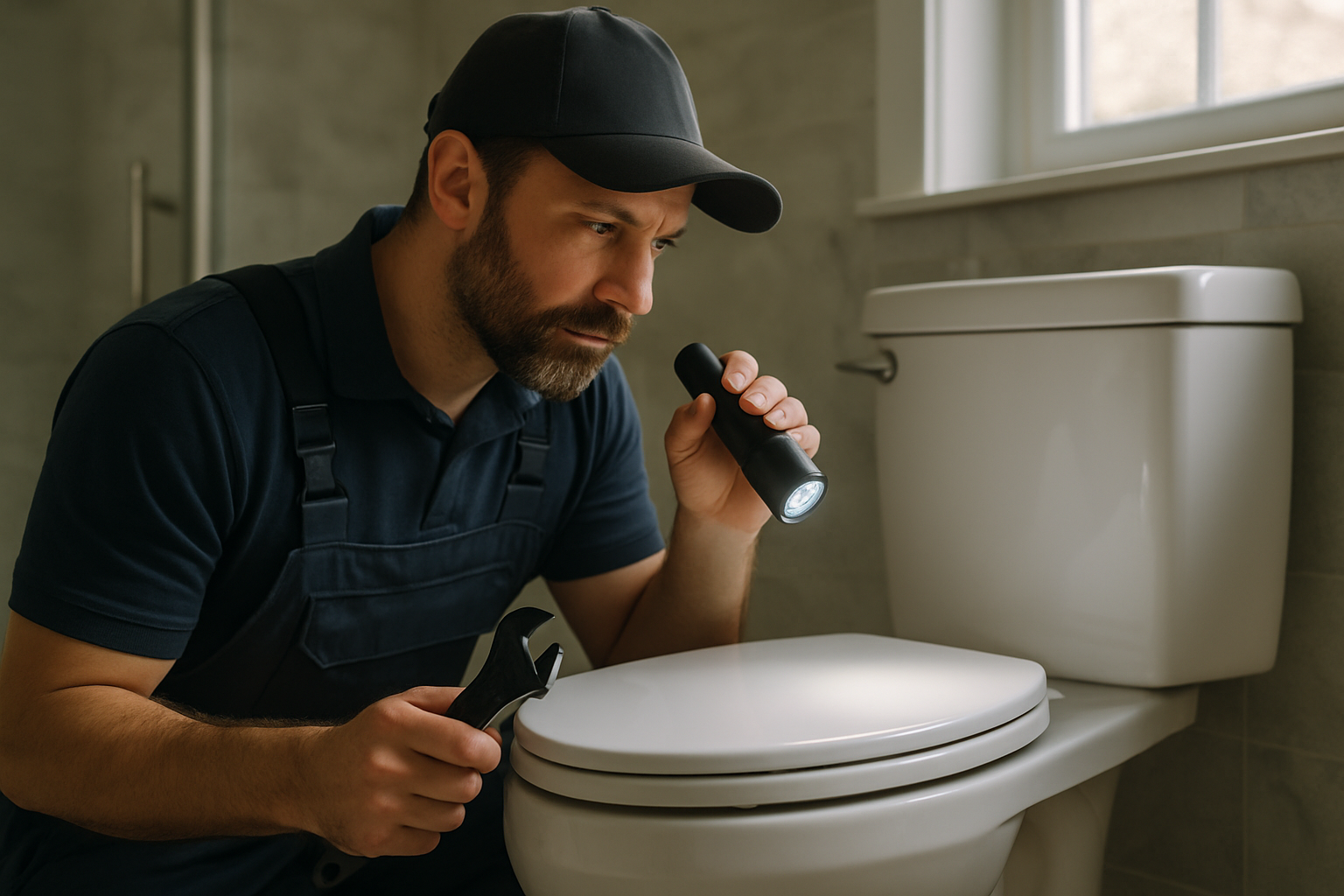
Bathroom Flooring Installation — ESG Builders LLC
Troubleshooting Guide

Bathroom Flooring Installation Troubleshooting Guide — ESG Builders LLC

At ESG Builders LLC, we understand that installing new bathroom flooring can be a daunting task, especially if unexpected issues arise. Whether you're upgrading to luxurious tiles or opting for durable vinyl, proper installation is crucial for both aesthetics and functionality. In Brooklyn, New York, where homes often have unique layouts and older plumbing systems, the installation process can present specific challenges that require careful troubleshooting. Our goal is to provide you with a comprehensive guide that not only identifies common problems but also offers practical solutions. Bathroom flooring must withstand moisture, constant foot traffic, and the occasional spill, making it essential to address any issues promptly. Throughout this troubleshooting guide, we will outline typical symptoms you might encounter during or after installation, along with possible causes and effective DIY fixes. Whether you're a seasoned DIY enthusiast or a first-time remodeler, understanding these elements can save you time, money, and frustration. With our expertise and over 47 verified customer reviews averaging 4.9 out of 5 stars, ESG Builders LLC is committed to helping you achieve a flawless bathroom flooring installation in your Brooklyn home.

By ESG Builders LLC
8 min read
Expert-reviewed
Having an Emergency?
Don't wait — call us now for 24/7 emergency service in Brooklyn, New York.
(347) 342-1995
Symptoms & Causes

Identify the Problem

Match your symptoms to the most likely cause. Severity ratings help you decide how urgently to act.

Uneven floor surface after installationhigh
Likely cause: Improper subfloor preparation, Moisture trapped beneath flooring, Inconsistent tile thickness
DIY check: Check the subfloor for any damage or warping and ensure it is level before re-installing.
Water damage or warping in flooringhigh
Likely cause: Leaking plumbing, High humidity levels, Improper sealing of edges
DIY check: Inspect for leaks and apply a waterproof sealant to any edges that may be exposed to water.
Cracked tiles or planksmedium
Likely cause: Excessive weight on the floor, Poor installation technique, Temperature fluctuations
DIY check: Remove and replace cracked tiles or planks and ensure that they are installed according to manufacturer's specifications.
Gaps between tiles or planksmedium
Likely cause: Expansion and contraction, Improper spacing during installation, Subfloor movement
DIY check: Use grout or caulk to fill in gaps, ensuring the flooring material has proper expansion joints.
Bubbling or peeling flooringmedium
Likely cause: Moisture buildup, Poor adhesion, Inadequate drying time
DIY check: Lift the affected section, allow it to dry, and reapply adhesive if necessary.
Unpleasant odors emanating from flooringhigh
Likely cause: Trapped moisture, Mold growth, Chemical reactions from adhesives
DIY check: Identify the source of moisture and treat for mold; consider replacing the flooring if odors persist.
Difficulty cleaning or maintaining flooringlow
Likely cause: Incorrect flooring material choice, Poor installation, Inadequate sealing
DIY check: Assess cleaning methods and consider resealing or replacing with a more suitable material.
What to Do Next

Step-by-Step Action Plan

Follow these steps before calling a technician — you may be able to resolve the issue yourself.

1

Assess the Situation

Begin by thoroughly inspecting the flooring for any visible signs of damage or installation errors. Take notes of specific areas that require attention.

2

Check for Moisture Issues

Use a moisture meter to check for trapped moisture beneath the flooring. Address any leaks or humidity problems before proceeding.

3

Evaluate the Subfloor

Ensure the subfloor is level and free from damage. Repair or replace any compromised sections to create a solid foundation for your flooring.

4

Test Adhesion and Sealing

Inspect the edges and seams for proper sealing. If necessary, reapply adhesive or sealant to ensure a watertight installation.

5

Repair or Replace Damaged Areas

For any cracks or gaps identified, consider repairing or replacing the affected tiles or planks to maintain the integrity of the flooring.

6

Consult with Professionals

If issues persist or seem extensive, don’t hesitate to reach out to ESG Builders LLC for expert assistance.

Pro Tip
Always turn off power to the unit at the breaker before inspecting any components. Safety first — even for simple checks.
When to Call a Professional

Don't DIY These Situations

Some repairs require a licensed technician for safety, code compliance, and warranty protection.

Professional Assessment Required

If there is extensive water damage that has compromised the subfloor.

Professional Assessment Required

For complex issues like uneven flooring that may require specialized tools.

Professional Assessment Required

When identifying hidden leaks that could lead to structural damage.

Professional Assessment Required

If the flooring material requires specific expertise to install properly.

Professional Assessment Required

For any repairs that involve plumbing adjustments or alterations.

Common Questions
What are the most common materials used for bathroom flooring?
The most common materials for bathroom flooring include ceramic and porcelain tiles, vinyl, laminate, and natural stone. Each material has its benefits; for example, tiles are water-resistant and durable, while vinyl is often more cost-effective and easier to install. It's essential to consider factors such as moisture resistance, maintenance, and style when selecting the right flooring for your bathroom.
How long does it typically take to install new bathroom flooring?
The duration of bathroom flooring installation can vary based on the material chosen and the complexity of the layout. Generally, the installation can take anywhere from one to three days. However, this timeframe can be affected by factors such as the need for subfloor repairs, drying time for adhesives, and the size of the bathroom. At ESG Builders LLC, we provide a detailed timeline during your consultation to set clear expectations.
How can I ensure my bathroom flooring is waterproof?
To ensure your bathroom flooring is waterproof, it's crucial to use water-resistant materials and properly seal any joints and seams. Additionally, the installation process should include adequate subfloor preparation to prevent moisture buildup. At ESG Builders LLC, we focus on these critical aspects during installation to protect your investment and maintain the integrity of your flooring.
What should I do if I notice warping in my flooring after installation?
If you notice warping in your flooring, it's essential to act quickly to assess the situation. First, check for any visible signs of moisture or leaks, as these are often the primary causes of warping. If the issues persist, it may require professional evaluation to determine if the flooring needs to be repaired or replaced. ESG Builders LLC is here to help you diagnose and address these issues to restore your flooring.
Related Services

We Can Fix It For You

Our licensed team serves Brooklyn, New York and surrounding areas — same-day service available.

Problem Solved — Or Need a Pro?

Our licensed team serves Brooklyn, New York and surrounding areas. Get a free diagnosis — no obligation.